

Article

Dear Me, Bear Witness to My Life's Story: Embracing Childhood and Sending a Message to My Younger Self


 By :
By : 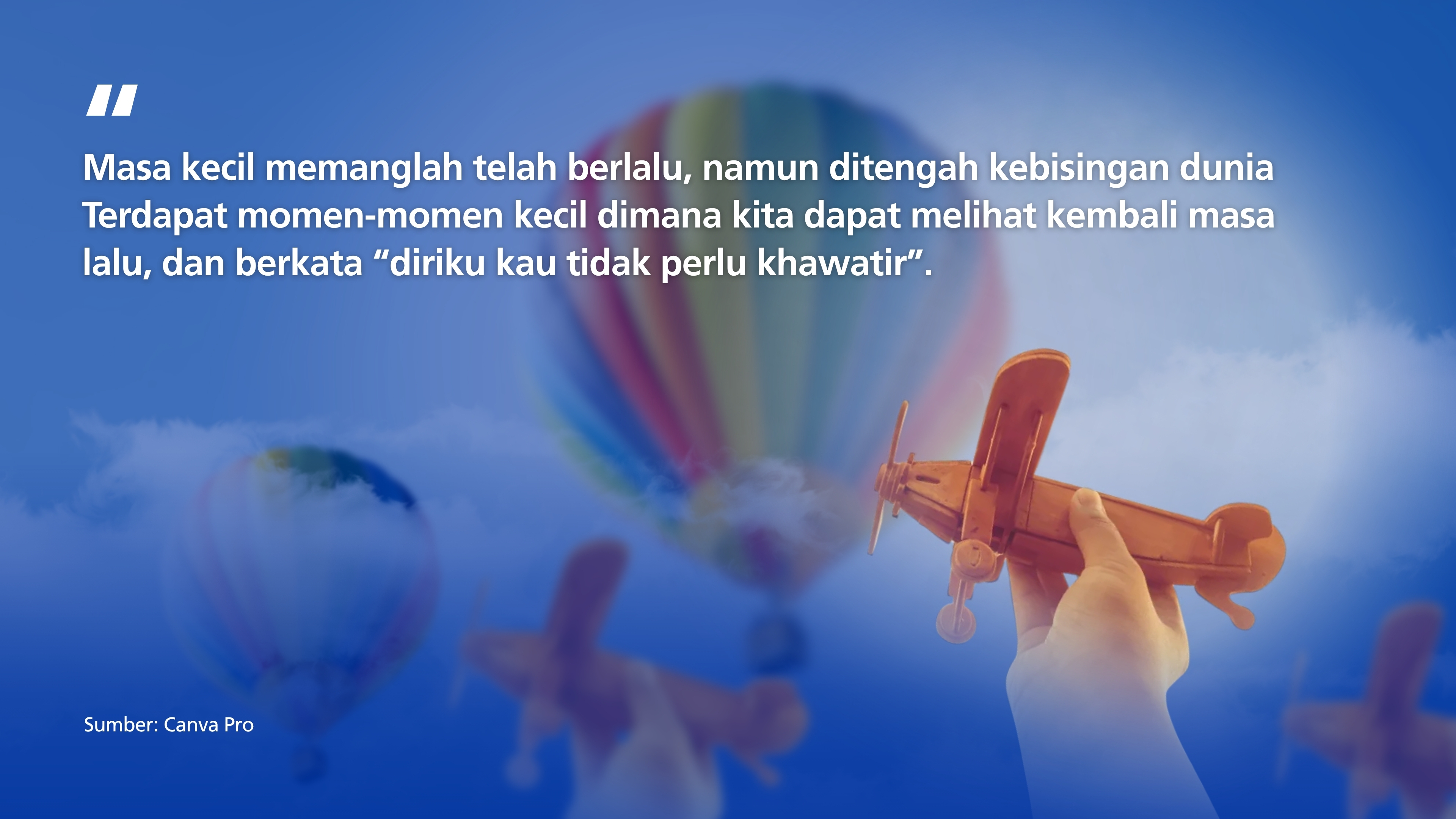
The birth of a child is a heartfelt moment celebrated by every family. Beyond bringing joy and hope, it marks the beginning of a person's identity. A name is never merely a label—it is a prayer, a blessing, and a lifelong wish entrusted by parents, hoping that their child will walk through this fleeting world with purpose and grace.
As we begin life in our early years, we are introduced to countless new experiences and fundamental ideas that gradually shape who we become. During childhood, imagination knows no limits. It is a time filled with laughter, freedom, solidarity, and unconditional love, even amid life's inevitable moments of confusion and uncertainty.
It is this boundless imagination that allows every child to become an artist, painting their own world with vibrant colors.
Yet as we grow older, believing that adulthood will grant us even greater freedom, we often discover the opposite. Many of us eventually feel as though the magic and colorful wonder we once saw in the world have slowly faded into nothing more than shades of black, white, and gray.
Adulthood is far from easy. The more we understand about life, the more we realize how deeply both internal and external circumstances influence us. Today, we find ourselves facing the unwritten laws of life—painful at times, yet seemingly unavoidable—turning our journey into one that often feels endless.
More often than not, adulthood also arrives with its own burdens, leaving us uncertain about where we are headed and even questioning our own identity: "Who am I?", "What will my future look like?", "When will it finally be my moment?"
Reflecting on these dilemmas of adulthood, one literary work that offers a timeless critique of growing up is The Little Prince by Antoine de Saint-Exupéry, first published in 1943. Through its profound storytelling, the novel reminds us that becoming an adult should never mean losing a child's way of seeing the world. Even amidst logic, societal expectations, the relentless pace of social media timelines, and the emotional exhaustion that often accompanies modern life, we should never abandon our sense of wonder.
Echoing Saint-Exupéry's message, we can also observe a growing phenomenon in today's society where many adults purchase toys, collectibles, or seemingly childish items. Often referred to as Kidults (Kid Adults), this phenomenon is viewed in Freudian psychology as a way for individuals to bridge the desires of the id—our instinctive drives—which, alongside the ego and superego, form one of the essential components of human personality.
Reconnecting with our childhood is not an escape from responsibility, nor is it a sign of emotional weakness or mere nostalgia. Instead, it is an opportunity to reassure the younger version of ourselves—to quietly tell that child within us that despite everything life has thrown our way, we are still here, still moving forward, and still doing our best. We are not a victim of fate.
As Indonesia prepares to commemorate National Children's Day on July 23, 2026, let us take a moment to send a heartfelt message to our younger selves. Let us remind them that every drop of sweat, every moment of uncertainty, and every question that once haunted our journey has never been in vain. We were not born merely to fulfill obligations, but also to remain responsible for the dreams we once dared to imagine.
Take a look at an old childhood photograph and tell yourself: "Hey, look how far we've come. The child who once felt fragile is the very reason I am still standing today. Despite every hardship, I continue to move forward with courage. And as I walk toward tomorrow, I'll carry small pieces of who I once was—my curiosity, my innocence, and my dreams—as reminders that every great future begins with a hopeful child."
To all members of the UNDIRA community, if you had the chance to speak to your younger self today, what would you say?
Sources of Reference:
Kidult: Menghidupkan Kenangan Masa Kecil untuk Keseimbangan Hidup Dewasa - Psikogenesis
Press Contact :
Biro Humas & Sekretariat Universitas Dian Nusantara
Facebook : www.facebook.com/undiraofficial
Instagram : www.instagram.com/undiraofficial
Twitter : www.twitter.com/undiraofficial
www.undira.ac.id
.jpg)

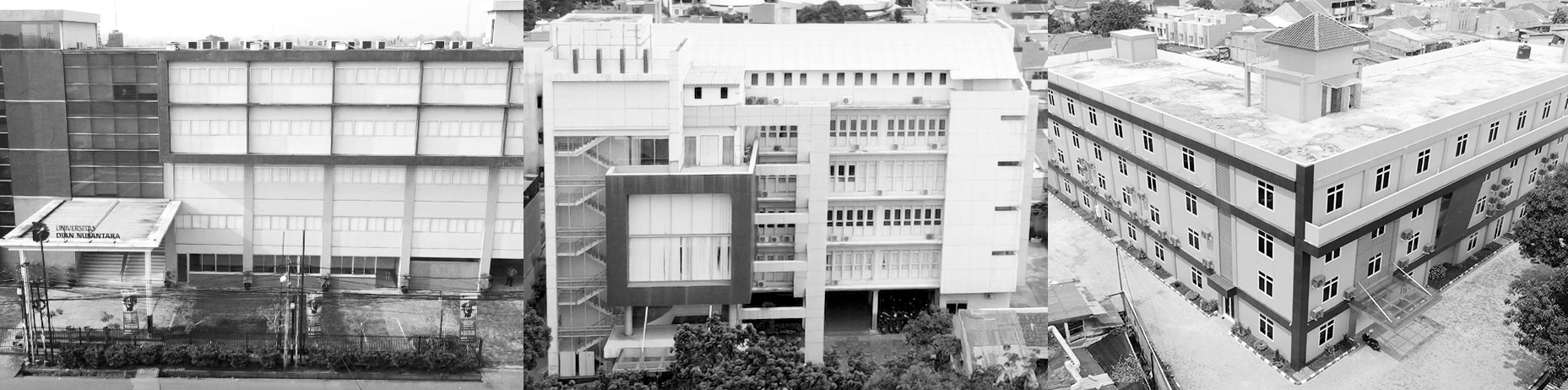
Campus Tanjung Duren
Jln. Tanjung Duren Barat II No. 1
Grogol, Jakarta Barat. 11470
Campus Green Ville
JIn. Mangga XIV No. 3
Campus Cibubur
Jln. Rawa Dolar 65
Jatiranggon Kec. Jatisampurna, Bekasi. 17432
Campus Cibubur Kranggan Raya
Jln. Raya Kranggan, No.6, RT 006/ RW 008
Jatiranggon Kec. Jatisampurna, Bekasi. 17432


