

Article

Mass Media 101: Why Fact-Checking and Demographic Market Segmentation Matter


 By :
By : 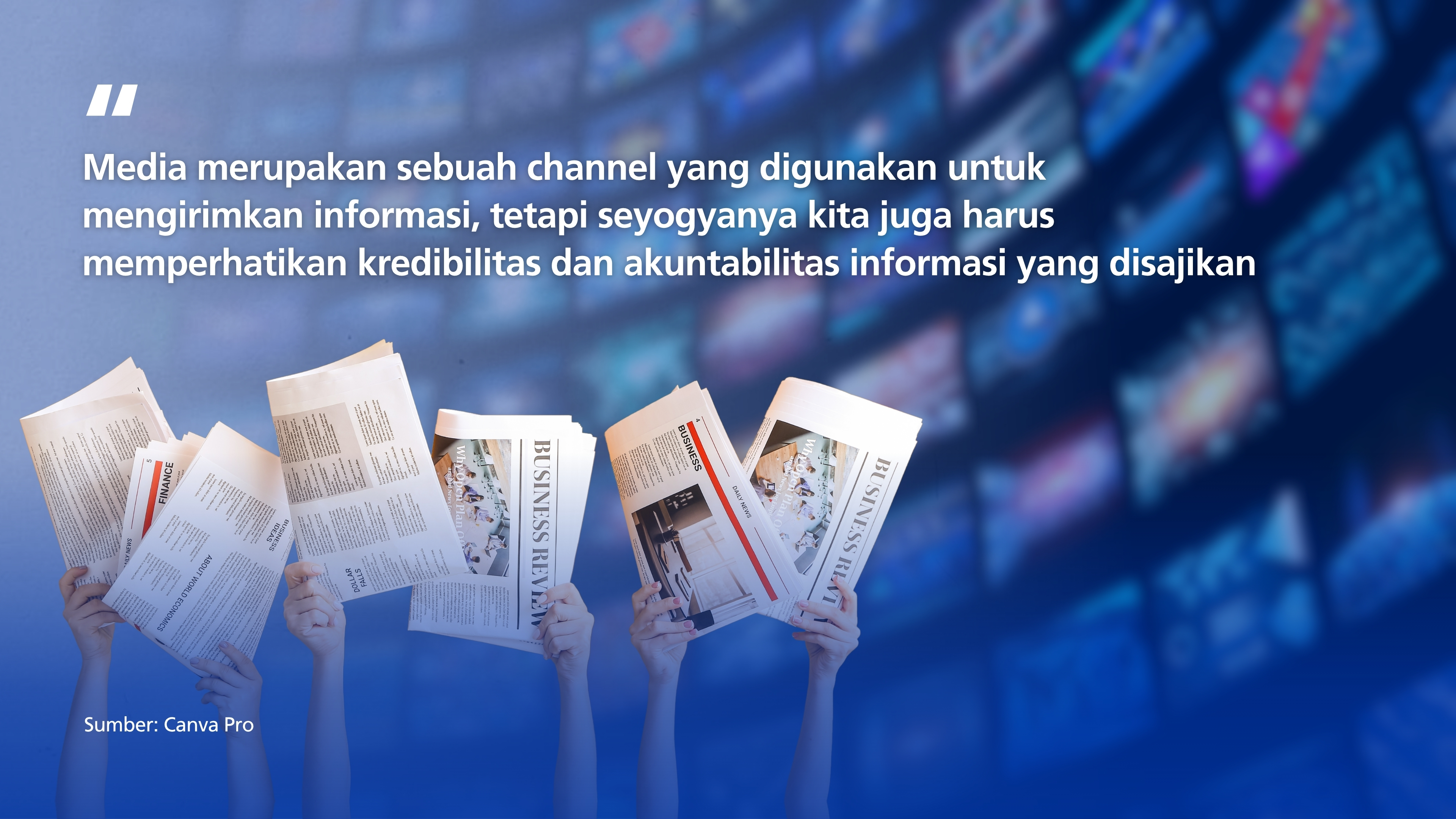
Publication has long been one of the most effective ways to improve literacy while broadening public perspectives through the creation of narratives and identities. Today, rapid technological advancement and the rise of digital culture have transformed how information is produced and consumed, making content more accessible than ever through a wide range of platforms—from social media feeds to digital news portals—in both written and visual formats.
As the number of internet users continues to grow alongside the public's demand for information, publication has evolved beyond simply delivering facts. It has become a strategic instrument that helps institutions build their reputation, strengthen public engagement, and communicate their values more effectively.
However, the increasingly competitive media landscape has also given rise to clickbait tactics and misinformation, both of which often prioritize attention over accuracy. Reliable information should always be grounded in credibility and accountability. Not only must every fact be verifiable, but it should also be presented responsibly so that it informs the public without compromising an institution's reputation. This is precisely where mass media plays a vital role—transforming verified facts into trustworthy public information.
Mass media, often referred to simply as "the media," is a communication channel used to disseminate information and messages to a broad audience. Its primary purpose is not merely to follow trending topics, but to provide information that has been thoroughly verified through fact-checking, field reporting, and credible sources. These practices ensure that every published story adheres to the core principles of responsible journalism.
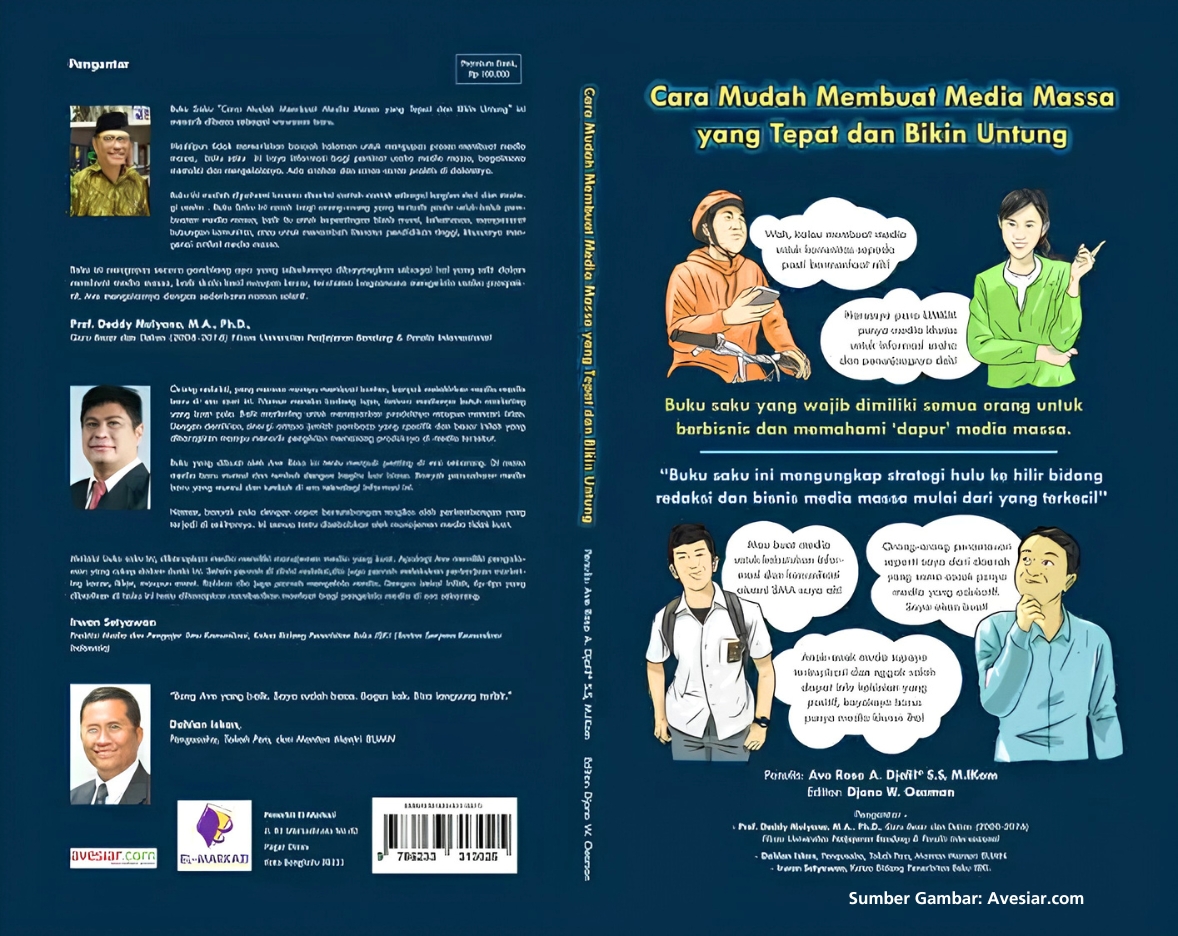
In the book titled 'Cara Mudah Membuat Media Massa yang Tepat dan Bikin Untung' by Ave Rosa A. Djalil, S.S., M.I.Kom., a successful media outlet is described as more than just a platform that attracts high traffic. Instead, it is an organization capable of maintaining a balance between commercial value and social responsibility. Popularity and credibility should complement one another rather than exist in conflict.
From an institutional perspective, media also serves an essential public relations function. Beyond sharing information, it supports reputation management by handling risk communication, mitigating potential crises, and reinforcing clear calls to action related to an institution's activities, achievements, and strategic initiatives.
Another key element in media development is adapting communication styles to suit different demographic segments and institutional objectives. Effective communication depends on understanding the characteristics of the intended audience. A publication aimed at Generation Z, for example, naturally requires a different tone and language style than one intended for executives or senior decision-makers. Aligning content with audience expectations not only improves engagement but also ensures that communication remains relevant to stakeholders and supports institutional goals.
In marketing communication, this approach is widely known as Segmentation, Targeting, and Positioning (STP). Poor audience segmentation often results in content that fails to resonate with its intended readers, creating a disconnect between institutional messaging and audience needs. Over time, this misalignment can weaken an institution's overall brand identity and communication strategy.
Equally important is fostering a culture of professional collaboration among everyone involved in media management. A healthy media ecosystem depends on flexibility, clearly defined roles, and a strong organizational culture. In today's fast-paced digital environment, success requires seamless collaboration across editorial teams, visual designers, and content distribution specialists to ensure that information reaches the right audience through the right channels at the right time.
If you are passionate about media, storytelling, and strategic communication, the Communication Studies Program at Universitas Dian Nusantara (UNDIRA) could be the ideal place to develop your potential. The program offers several concentrations related to media management, including Broadcasting, Public Relations, and Media Relations. At UNDIRA, students gain more than just theoretical knowledge of media—they also learn how to build institutional reputation, produce credible content, and develop communication strategies that align with professional ethics and organizational values.
Source of Reference:
Djalil, A. R. A. (2020). Cara mudah membuat media massa yang tepat dan bikin untung. El-Markazi.
Press Contact :
Biro Humas & Sekretariat Universitas Dian Nusantara
Facebook : www.facebook.com/undiraofficial
Instagram : www.instagram.com/undiraofficial
Twitter : www.twitter.com/undiraofficial
www.undira.ac.id
Other

Sometimes What We Need Is Not Only the Courage to Move Forward, But Also the Courage to Be Honest with Ourselves
Read more
Responding to Industrial Challenges Towards the Sustainable Development Goals: UNDIRA Mechanical Engineering Lecturer Shares the Concept of Green Technology
Read more
Universitas Dian Nusantara Holds Opening Ceremony for the Odd Semester of the 2022/2023 Academic Year at Two Campus Locations
Read more
Campus Tanjung Duren
Jln. Tanjung Duren Barat II No. 1
Grogol, Jakarta Barat. 11470
Campus Green Ville
JIn. Mangga XIV No. 3
Campus Cibubur
Jln. Rawa Dolar 65
Jatiranggon Kec. Jatisampurna, Bekasi. 17432
Campus Cibubur Kranggan Raya
Jln. Raya Kranggan, No.6, RT 006/ RW 008
Jatiranggon Kec. Jatisampurna, Bekasi. 17432


